Breaking the Cycle of Female Genital Mutilation in Afar
4 November 2026
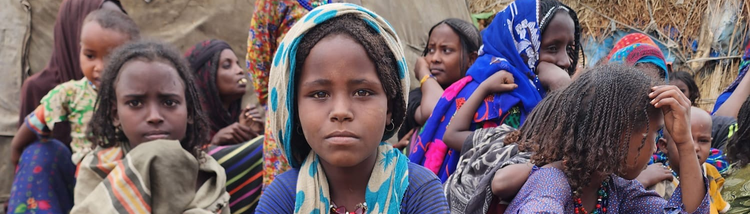
Aisha was just a young girl when she underwent Female Genital Mutilation (FGM), and this is the reality for 90% of girls in rural and regional Ethiopia today.
“When I was a child, my parents circumcised me,” she explained. “I thought it was a good thing. When I was old enough to understand, now I want to stop this harmful practice.”
Female Genital Mutilation/circumcision (FGM) is a tradition that sees women mutilate girls, driven by the outmoded idea that it will protect their dowry.
“It was part of our culture. We passed it on from generation to generation,” Aisha explains. “We all woke up to the fact how we all suffered.”
Aisha is now working side by side with the Afar Pastoralist Development Association (APDA) to help end the abuse of women and girls. With their support, the number of cases of FGM has steadily declined since it was outlawed 22 years ago. Yet, even just one instance is an abomination.
Aisha speaks passionately about the impact of the organization in her life and the wellbeing of her community.
“We learned the effects of circumcisions; why women get difficulties during delivery, bleedings, passing urine and other difficulties that ruin their lives,” she told us. “We vowed to not circumcise new female babies and hope we all together strengthen our efforts to stop these kinds of cruelty.”
Women like Aisha are able to drive change so effectively because they understand the traditions and have themselves experienced the personal pain and horror of FGM.
In many traditional communities, undergoing FGM is a prerequisite for marriage. Many families believe that an uncircumcised woman will never find a husband or be respected. The practice is so important to a family’s honour that, in certain Ethiopian communities, not practising FGM still has negative consequences for girls and women, especially where the motivation for the practice is linked to ideas of marriageability and chastity.
The outdated ideas of ‘purity’ and ‘virtue’ are still held dear in the Afar region, where our partner organization, APDA, is working side by side with the community.
Over the years, APDA representatives have built up the knowledge, trust and local influence needed to challenge the use of FGM in the region. Rather than challenging these traditions from the outside and imposing a foreign view on families, they work alongside communities to create the lasting behaviour change that saves girls from this horrifying and traumatic practice.
The path to ending the practice of FGM/circumcision begins with empowerment: the empowering of women and the empowering of the community.
“We were facing different challenges, but all are solved or in the way to be solved. We think now we are better and we will do better thanks to APDA’s initiatives.”
APDA aims to help create change through four key program goals:
- Empowering Women
APDA works to empower women who have experienced, or previously performed, FGM to be trained as Women Extension Workers.
In this role as trusted advocates, Women Extension Workers educate families, support girls and help inspire change within their own communities.
- Educating Today’s Leaders
Shifting the beliefs and traditions of a community has to begin at the top. By working with clan leaders, religious leaders and the heads of families, education workshops provide a new view on the practice of FGM.
We can explain to the people in power that the practice has no religious basis and encourage communities to protect the rights and wellbeing of the girls and women in their care.
- Building Public Awareness
In rural and regional communities, the news travels slowly, and so change is gradual.
By investing in educational broadcasts, community film screenings and posters, APDA can extend its reach.
The more awareness there is about the dangers of FGM, the more able we are to provide support services that share the benefits of abandoning the practice.
- Investing in Tomorrow’s Leaders
Together, we can help APDA expand vital access to Youth Leader Workshops, designed to equip young women and men with knowledge about gender equality, human rights and the harmful traditional practices that continue to put lives at risk.
APDA’s work is funded through donors like you. You’ve helped make so much possible, and we hope we can depend on your support again today. We urge you to help end this nightmarish situation.